Health Careers
Explore the wide range of careers dedicated to improving human health and well-being. From direct patient care to diagnostic, therapeutic, and public health roles, these pathways reflect the many ways professionals contribute to healthcare, prevention, and innovation. Learn more about each career option to find the path that best fits your interests, strengths, and goals.

Anesthesiologist Assistant
Anesthesiologist assistants are highly skilled professionals who work under the direction of licensed anesthesiologists (specialist physicians) and as part of the anesthesia care team to design and implement anesthesia care plans. They accompany the patient before, during and after anesthesia to ensure quality and continuity of care.

Chiropractic Medicine
Chiropractic medicine focuses on the relationship between the body's main structures – the skeleton, the muscles and the nerves – and the patient's health.

Dentistry
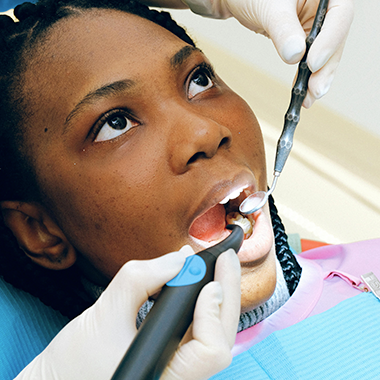
Dentistry is the branch of the healing arts and sciences devoted to maintaining the health of the teeth, gums and other hard and soft tissues in and around the mouth.

Genetic Counseling
Genetic counselors provide personalized counseling to help patients understand inherited medical conditions as they’re making decisions about their genetic health.

Medicine
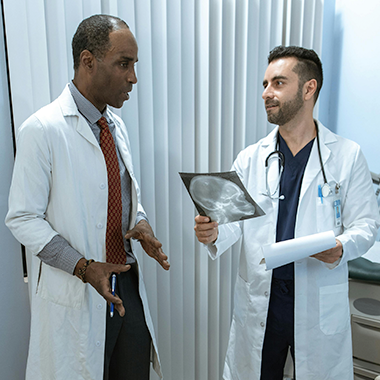
Physicians treat and prevent human illness, disease and injury. There are two types of physicians: the M.D. (Doctor of Medicine) and the D.O. (Doctor of Osteopathic Medicine).

Occupational Therapy
Occupational therapists treat injured, ill, or disabled patients of all ages through the therapeutic use of everyday activities (occupations). They help these patients develop, recover, and improve the skills needed for working, recreation and daily living, like getting dressed, cooking, eating and driving.

Optometry
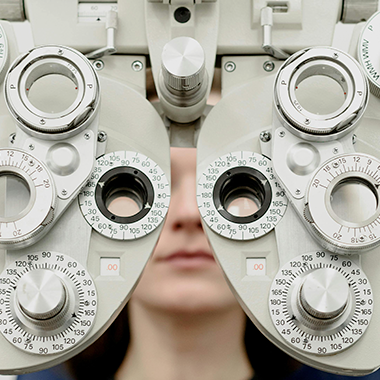
Optometrists, or Doctors of Optometry are independent primary health care providers who specialize in the examination, diagnosis, treatment and management of diseases and disorders of the visual system, the eye and associated structures, as well as the diagnosis of related systemic conditions.

Pathologists' Assistant
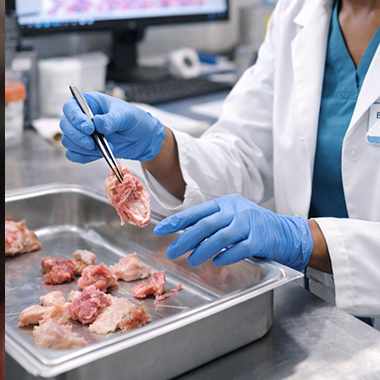
Under direction of a pathologist, the pathologists' assistant performs surgical and autopsy functions leading up to, but not including, diagnosis. Pathologists' assistants also conduct gross dissection of human tissue and surgical specimens for testing and evaluation.

Perfusion
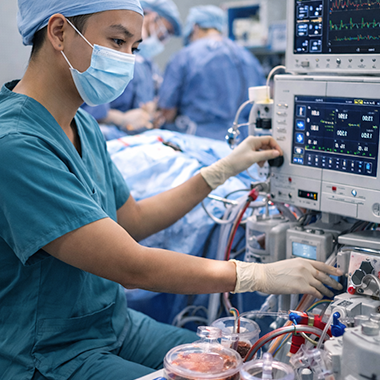
During cardiac surgical procedures, the perfusionist operates a heart-lung machine and artificial blood pump, assuming the function of the heart and/or lungs while the surgeon operates on the heart.

Pharmacy
Pharmacists are experts in the science of medications and the art of medication therapy. Pharmaceutical care encompasses the full range of pharmacist’s skills, knowledge and abilities in providing medication services to patients.

Physician Assistant
PAs (Physician Associates/Physician Assistants) are licensed clinicians who practice medicine in every specialty and setting. Trusted, rigorously educated and trained healthcare professionals, PAs are dedicated to expanding access to care and transforming health and wellness through patient-centered, team-based medical practice.

Physical Therapy
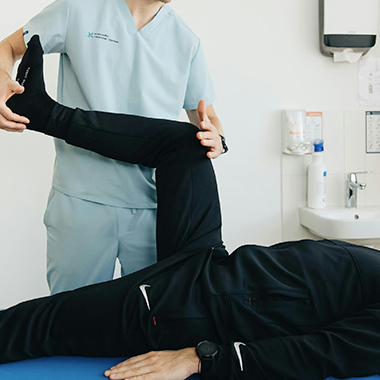
Physical therapists work with people who have been physically disabled by illness or accident or who are born with a handicap. Physical therapist works to develop and deliver appropriate treatment programs.

Podiatry
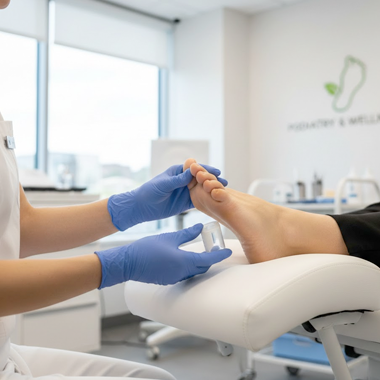
Podiatric medicine is a branch of the medical sciences devoted to the study of human movement with medical care of the foot and ankle as its primary focus.

Public Health
Graduates of the Schools of Public Health work primarily in the public sector in the areas of health promotion and disease prevention. They are distinct from other health professionals in that they are oriented to the community and prevention, rather than to curing individuals.