Study Strategies Every Pre-Health Student Should Know
Written by: Cordelia Kraus, Pre-Health Peer Advisor
Success as a pre-health student isn’t just about how smart you are, it’s about how intentionally you plan, study, and manage your time. Here are some simple strategies that helped me thrive during my undergraduate years and can help you do the same.
1. Plan out your time intentionally
Throughout undergrad, I experimented with just about every time-management tool: handwritten planners, Outlook calendars, giant whiteboards, you name it. Using some sort of calendar has been essential for helping me use my time wisely and block off dedicated, distraction-free study time. Feel free to try out a variety of methods yourself, but make sure whatever you end up choosing works well for you!
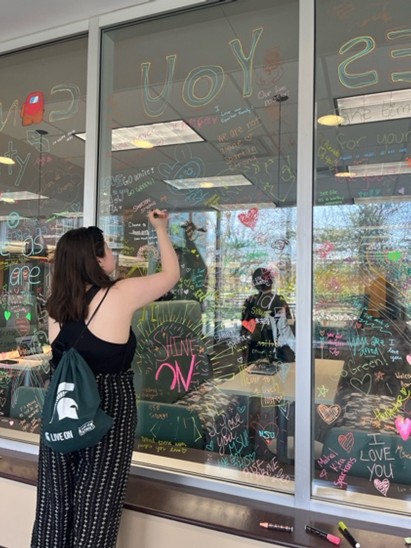
2. Find a study space where you can truly focus
For whatever reason, I cannot study in my room. If that resonates with you, I highly recommend exploring different study spots on campus until you find one that works.
Some of my favorite places throughout undergrad included:
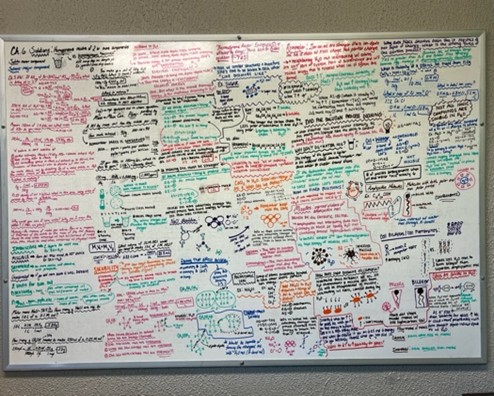
- The study halls with whiteboards on every floor in Hubbard Hall (freshman year!)
- The STEM and Chemistry buildings
- Shaw Dining Hall
- And my all-time favorite: the library
Finding a space where you feel productive can make all the difference. :)


3. Use technology to your advantage
No, I’m not suggesting you consult ChatGPT during your physics final, but tech can absolutely make your studying more efficient.
For me, that looks like:
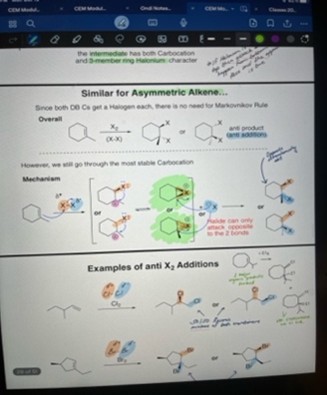
- Using GoodNotes to annotate notes on my iPad
- Recording audio to review later
- Taking photos of material during class
- Digitally organizing multiple sets of notes
Find the tools that make studying smoother for you and weave them into your routine.
4. Write everything down… then teach it
This is my golden rule of studying, and it has never failed me.
Here’s my process:
- During class, I pay close attention to lecture, jotting down key points whenever I can.
- After class, I finish annotating my slides, rewatching the lecture (if it was recorded) and making sure to pick up any details I might have missed the first time around.
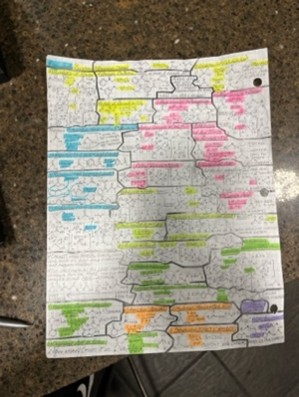
- Then I create one “perfect” master set of handwritten notes (from my annotated slides), no matter how long it takes.
- Next, I actively engage with the content: highlighting, annotating, and working through practice problems.
- Finally, I rope in a friend or roommate for five minutes and teach the material to them.
They can absolutely zone out; your recall is what matters. If they ask a follow-up question and you can answer it without looking at your notes, even better. This step really solidifies what you do (and don’t) understand.
I don’t always complete all these steps in one day, and I don’t recommend using this method for every class. However, it’s especially helpful for your most challenging classes or concepts you struggle with. I usually create my master set of notes in the days leading up to a midterm or major exam to really drill in the material.
Good luck studying, future health professionals!